Reviving Craft, Refining Spaces
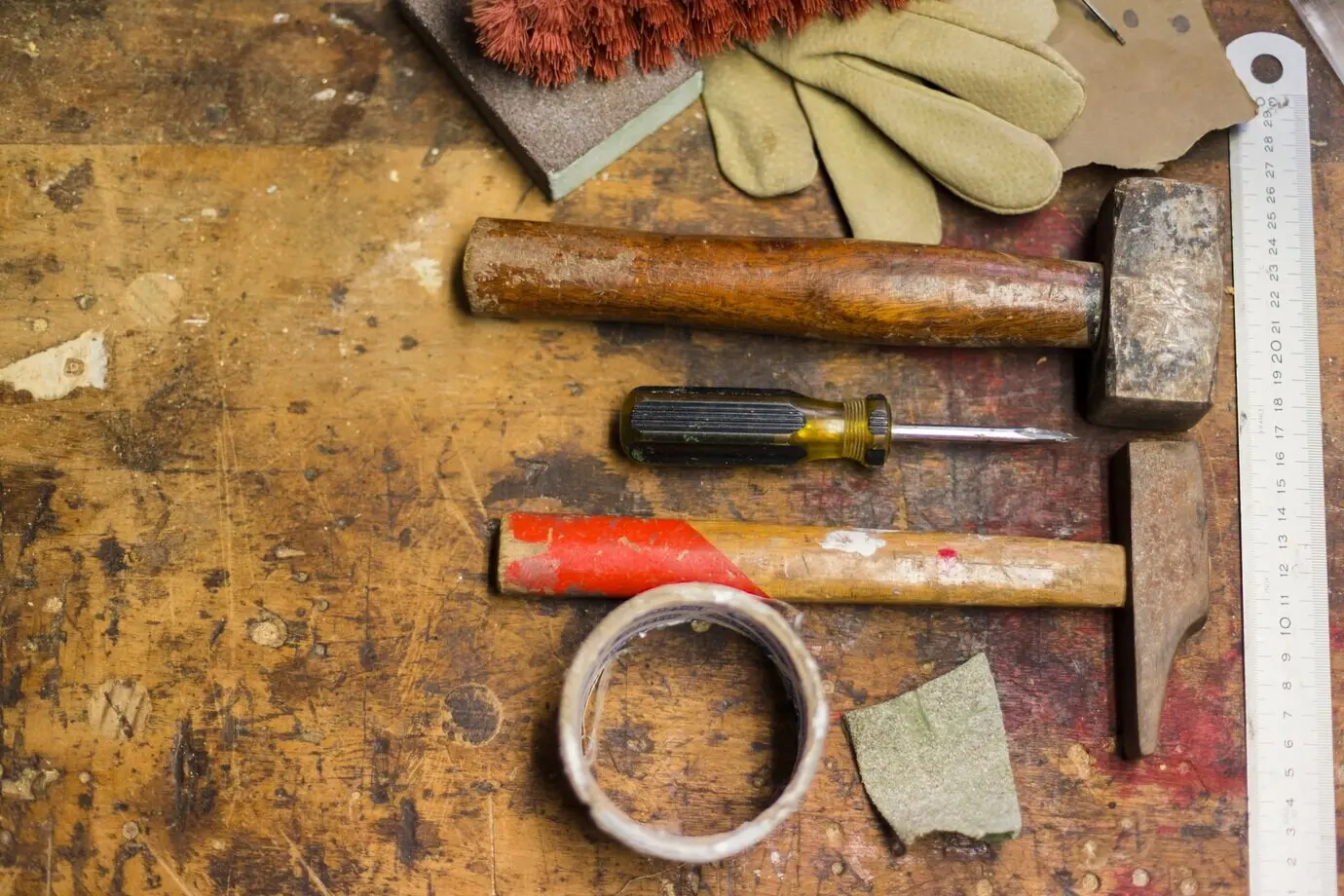
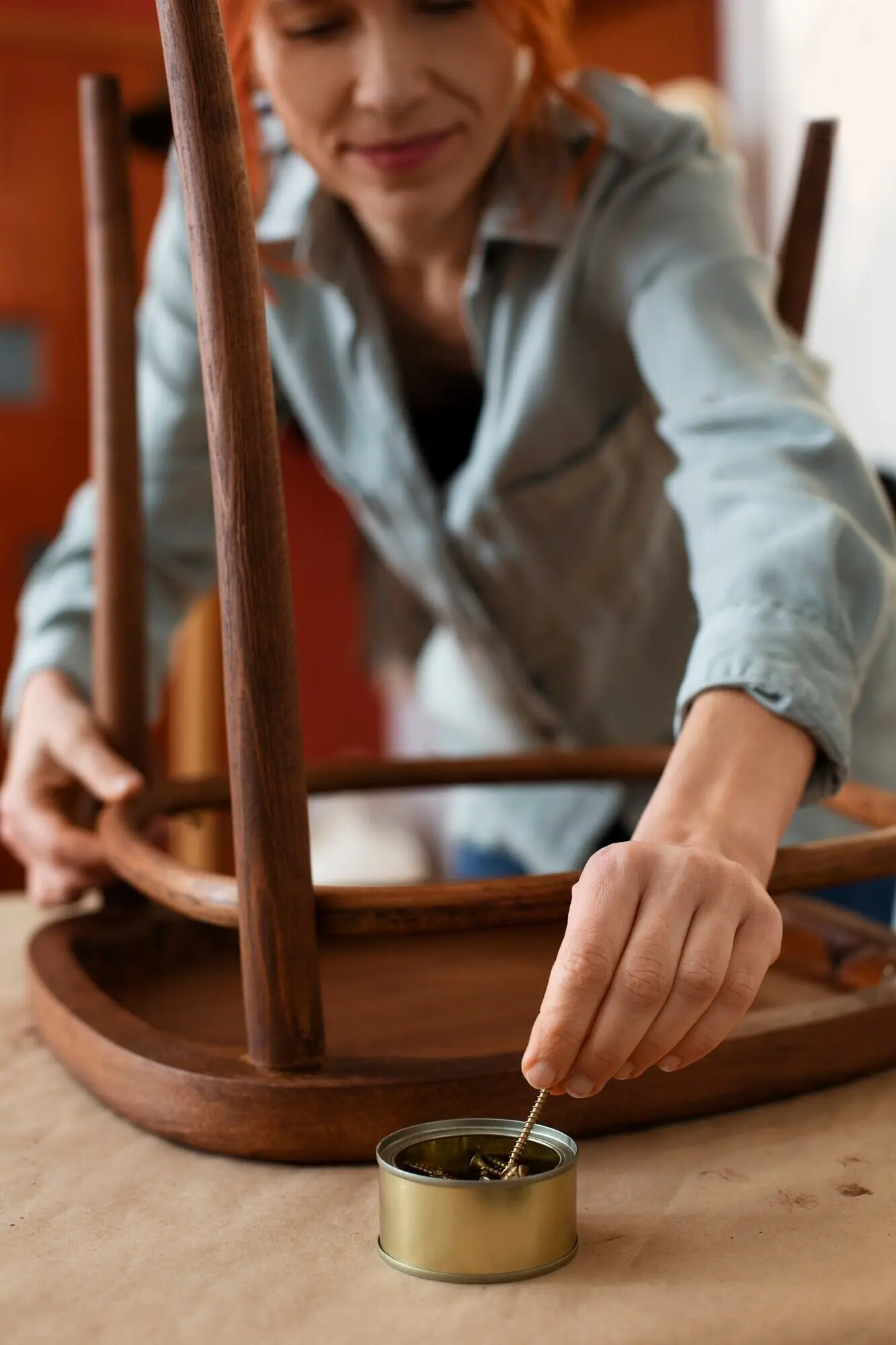
Today we explore artisanal restoration techniques that elevate premium interiors, uniting patient hand skills with conservation science to recover character, durability, and quiet luxury. From wood finishes and gilding to textiles, metalwork, and thoughtful maintenance, you will find field-tested insights, cautionary tales, and uplifting stories that help you commission, supervise, or personally attempt respectful work that honors history while meeting contemporary performance expectations.

First Look: Reading the Room and Its History

Provenance Clues Hiding in Plain Sight

Look for tool marks, veneer thickness, saw kerfs, dovetail proportions, screw slots, and oxidation halos around hardware to estimate age and workshop habits. Maker’s stamps may hide under drawer runners. Matching wood fluorescence under UV can confirm original pairs. These small signals guide respectful choices and pricing expectations.

Noninvasive Diagnostics

Ultraviolet inspection reveals overcoats and fills; raking light exposes surface deformities; a borescope peers behind panels without dismantling; infrared locates hidden studs or voids. Moisture readings track seasonal risk. Together, these tests reduce guesswork, target interventions, and safeguard delicate fabric, finishes, and adjacent materials from unnecessary disturbance.

Scope Notebook and Photography Protocol

Create consistent photo sets using color cards, scale rulers, and raking, diffuse, and grazing light angles. Log every observation, sample, and trial in a shared notebook with dates, materials, and temperatures. This archive anchors insurance, proposals, and maintenance, enabling future caretakers to understand intent and trace decisions accurately.

Gentle Cleaning Before Any Bold Move

Begin with dry dusting, then mild, pH-balanced solutions, testing inconspicuous spots and documenting reactions. A mineral spirits wipe can reveal finish type. Avoid waterlogged cloths and aggressive sponges. Often, clarity returns with restraint, revealing scratches and repairs requiring far less intervention than first impressions suggested.

French Polishing for Radiant Depth

Shellac, cut and dewaxed appropriately, builds optical richness when hand-rubbed with a well-charged rubber, lubricated lightly, and fed with pumice to fill pores. Long, overlapping passes, then delicate spiriting, produce durable glow. Practice on scraps, log recipes, and respect curing times to avoid print-through.

Stone, Plaster, and Gilded Drama

Mineral surfaces demand sympathetic materials and time-aware methods. Lime systems breathe; gypsum sets; marble bruises under careless tools. Respect curing cycles, salts, and load paths. When retouching or rebuilding, select compatible aggregates and binders, then tone with transparent restraint so the room feels quietly whole, never freshly veneered.

Metalwork, Hardware, and Heritage Lighting

Metals invite nuance. Oxide layers protect as much as they color, and interventions must balance safety with soul. Clean thoughtfully, seal appropriately, and rewire discreetly. The right touch restores tactile pleasure and a warm glow without erasing evidence of care, age, and human handling.

Respectful Patina, Not Fake Antiquing

Start with a mild chelating cleanser and soft brushes, documenting tones before any darkening. Where color is required, build with controlled chemistry, testing on coupons and neutralizing thoroughly. Finish with microcrystalline wax or conservation lacquer. The aim is coherence, not theatrical, uniform brownness.

Rewiring With Discretion

Upgrade sockets, insulation, and strain relief while preserving canopies, chains, and decorative shells. Use fabric-braided cable, discreet dimmers, and appropriate bulbs to control heat and spectrum. Photograph terminations, label circuits, and document load calculations. Beauty shines brighter when safety is silent, deliberate, and certified.

Fine Hardware: From Wobbly Hinges to Silken Swing

Bush worn knuckles with precision sleeves, reset screws into hardwood plugs, and true mortises carefully. Clean with solvent gels, then wax. Where plating failed, consider spot re-plate or sympathetic touch-ups. The satisfying, quiet close of a heavy door becomes a daily, private luxury.

Textiles, Leather, and Upholstery with Integrity
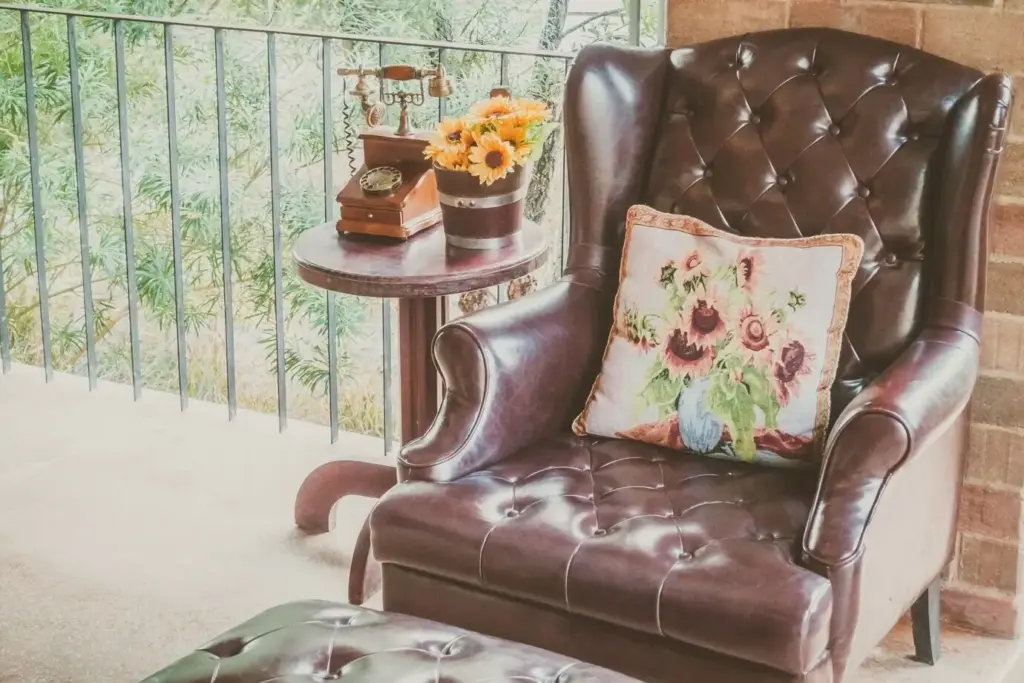
Soft materials carry memory through hand-feel, scent, and movement. Rebuild seating with breathable, traditional layers; protect historic textiles with conservative cleaning; and nourish leather without suffocating it. Thoughtful choices yield comfort that supports posture, modulates acoustics, and reads visually as a generous, credible expression of care.

Upholstery Layers That Breathe and Last

Stretch jute webbing true, lace springs eight ways, stitch edge rolls, and add horsehair or curled coir for resilience. Encapsulate with cotton batting and calico, reserving final covers for later. Ventilate frames and avoid plastic membranes. The result feels buoyant, temperate, and quietly opulent.

Cleaning Historic Fabrics Safely

Begin with micro-vacuuming through a soft screen, then test wet-cleaning on hidden hems, checking dye stability and shrinkage. Enzymes can help with proteins, but proceed gently. Sunlight fades, so introduce UV filtration. Document stains honestly rather than chasing perilous, total erasure that weakens fibers.

Stewardship, Maintenance, and Measurable Impact

Track temperature and relative humidity with data loggers, aiming for gentle swings around forty to fifty-five percent. Stabilize with ventilation, humidification, or buffering materials. Shield from direct sun. Such quiet control prevents checking, lifting, corrosion, and dullness, letting every painstaking repair keep paying dividends.
Create quarterly tasks: dust high moldings, check caulk at stone junctions, tighten hardware, inspect finishes under raking light, and refresh wax where traffic polishes thin. Annotate results in a shared log, celebrate small victories, and schedule specialists early before minor concerns become expensive failures.
Quantify embodied carbon retained by refurbishing millwork, metalwork, and decorative plaster rather than replacing. Compare service life and maintenance lines. Clients appreciate numbers aligned with sensory gains. Share your findings, subscribe for future field notes, and tell us what metrics would help your next decision.
Napevefatevinolopazola
Privacy Overview

This website uses cookies so that we can provide you with the best user experience possible. Cookie information is stored in your browser and performs functions such as recognising you when you return to our website and helping our team to understand which sections of the website you find most interesting and useful.