


Elegance With a Past, Spaces With a Story

Today we dive into curating pre-owned designer furniture for high-end homes, revealing how provenance, condition, and styling choices transform storied pieces into centerpieces. Expect pragmatic sourcing tactics, restoration wisdom, and collector insights that blend sustainability with unmistakable luxury worthy of remarkable rooms. We will balance connoisseurship with livability, showing how to select, authenticate, restore, and style extraordinary pieces that reward daily life and long-term value while honoring the original designer’s intent and the refined personality of your home.

Selecting Icons With Intent

Discerning selection begins with an eye for proportion, comfort, and context. An iconic chair or table must harmonize with your architecture, circulation, and natural light, while standing confidently as a conversation piece. Favor designs that hold their profile from every angle, materials that age with dignity, and construction that invites decades more use. Look beyond logos and chase integrity, because the right piece quietly elevates a room and never needs to shout for attention.

Provenance and Authentication Without Compromise

Trust is the currency of collectible design. Documentation, maker marks, and verifiable history protect value and honor the original creator. Approach each acquisition as a small investigation, assembling evidence from labels, invoices, catalogs, and expert opinions. Understand period production nuances and later reissues, and accept that a scarce piece without paperwork may require conservative pricing or further research. Thorough verification not only safeguards investment but also deepens the story you will proudly share with guests.
Seek original purchase receipts, gallery letters, exhibition catalogs, and restoration invoices detailing materials and techniques. Serial numbers, date stamps, or manufacturer plaques should align with known production timelines. Cross-reference with archives and monographs to avoid plausible fakes that mimic period details. Do not underestimate seller correspondence; emails confirming origin from a reputable dealer can be meaningful. Store digital scans and hard copies together, because organized documentation is as persuasive to insurers and appraisers as it is enlightening to you.
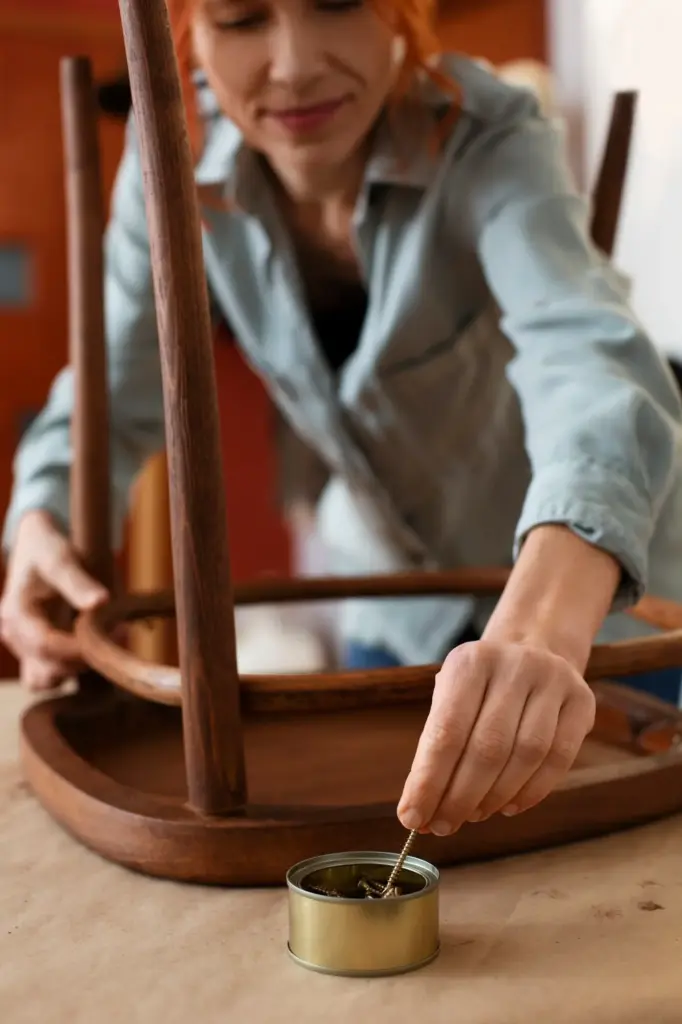
Authenticity often lives in the underside, the joint, the fastener, and the tool mark. Study how screws seat, how mortises are cut, and how upholstery is tacked. Early production sometimes reveals hand-finished irregularities, while later licensed reissues show consistent factory precision. Compare weld beads, stitching density, and edge binding with reference images. Use a flashlight, not just a phone camera, and never hesitate to request disassembly photos. Craft tells truth, quietly, in places most shoppers never bother to look.
Check multiple price databases, auction archives, and dealer listings to establish a realistic range. Beware deals that feel like shortcuts, and verify return policies in writing. When buying remotely, request high-resolution images of wear points and labels, plus shipping crates designed to protect vulnerable edges. Consult an independent specialist for major acquisitions. Patience prevents mistakes; remember that another excellent example usually appears if you wait. Responsible due diligence strengthens confidence and defines a collector’s reputation for wise decisions.

Restoration Philosophy for Collectible Comfort

Conservation Over Replacement

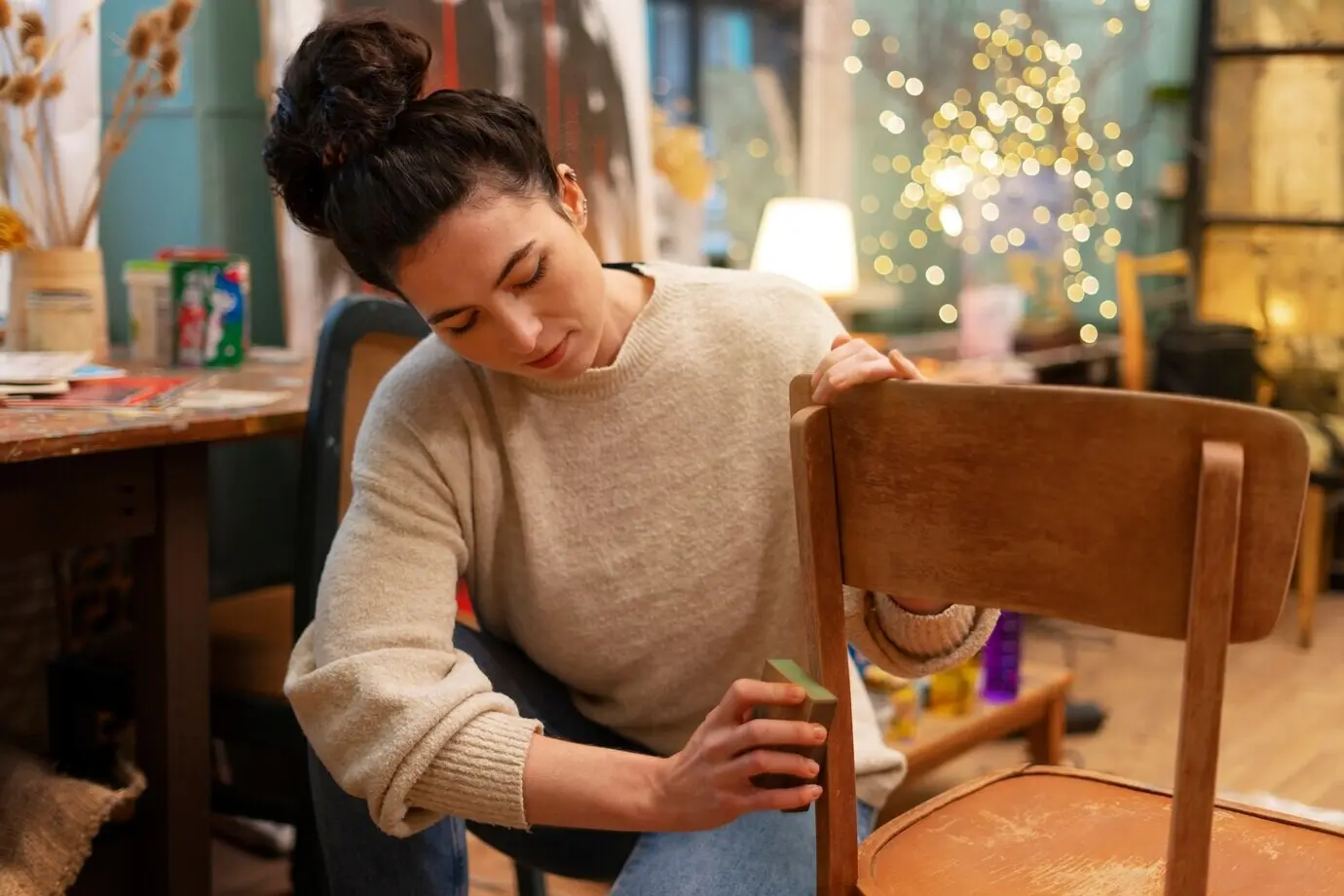
Begin with cleaning and stabilization, not sanding and stripping. Many finishes respond beautifully to careful solvents, waxes, or French polishing, revealing depth often mistaken for damage. Replace missing hardware with period-correct pieces when possible, avoiding modern substitutions that telegraph inauthenticity. On upholstery, consider salvaging original springs and frames, refreshing padding while preserving stitch patterns. Conservation honors time and the maker’s hand, resulting in furniture that feels alive, not reborn beyond recognition or artificially frozen in newness.

Patina Versus Damage

Begin with cleaning and stabilization, not sanding and stripping. Many finishes respond beautifully to careful solvents, waxes, or French polishing, revealing depth often mistaken for damage. Replace missing hardware with period-correct pieces when possible, avoiding modern substitutions that telegraph inauthenticity. On upholstery, consider salvaging original springs and frames, refreshing padding while preserving stitch patterns. Conservation honors time and the maker’s hand, resulting in furniture that feels alive, not reborn beyond recognition or artificially frozen in newness.

Collaborating With the Right Artisan

Begin with cleaning and stabilization, not sanding and stripping. Many finishes respond beautifully to careful solvents, waxes, or French polishing, revealing depth often mistaken for damage. Replace missing hardware with period-correct pieces when possible, avoiding modern substitutions that telegraph inauthenticity. On upholstery, consider salvaging original springs and frames, refreshing padding while preserving stitch patterns. Conservation honors time and the maker’s hand, resulting in furniture that feels alive, not reborn beyond recognition or artificially frozen in newness.

Styling High-End Spaces With Character and Restraint

A curated piece deserves breathing room and purposeful dialogue with architecture. Let one hero lead per zone; supporting elements should harmonize rather than compete. Mix eras thoughtfully, using color temperature and texture to connect disparate decades. Rugs, art, and lighting complete the composition, guiding the eye and setting mood. Remember the senses beyond sight: acoustics, touch, and scent. The most luxurious rooms feel unforced, at ease, and meticulously edited while remaining comfortable enough to live in daily.

Anchoring the Room

Choose a focal piece whose geometry dialogues with the room’s strongest line, whether a fireplace mantel, a window bay, or a staircase. Position it to welcome conversation, not block pathways. Surround with seating that respects arm heights and leg clearances, then test tray placement for easy hosting. Balance visual weight using a calm rug or art grouping. Editing is power; remove one accessory after styling. The anchor will feel inevitable, as if the home grew around it.
Layering Textures and Eras

Blend a 1970s Italian brass table with a mid-century Danish sofa and contemporary ceramic lamps, uniting them through a shared palette and tactile resonance. Velvet, bouclé, patinated metal, and hand-knotted wool can echo each other without redundancy. Repetition of a curve or wood tone creates cohesion across decades. Avoid pastiche by giving each era a role: one offers structure, another softness, another sparkle. The result feels collected, not assembled, expressing sophistication that rewards slow, appreciative attention.
Lighting That Honors Form

Great lighting sculpts furniture, revealing details that daylight can flatten. Use a triad: ambient illumination for volume, task lighting for utility, and accents to dramatize edges and textures. Aim warm temperatures to flatter wood and hide minor scars. Adjustable picture lights can graze a credenza’s surface, while dimmable floor lamps spotlight a chair’s silhouette. Hide cables, avoid glare, and consider timers for evening rituals. Thoughtful lighting turns restored craftsmanship into quiet theater every night without overwhelming the senses.


Sustainable Luxury, Value, and Market Timing

Pre-owned collecting champions sustainability without sacrificing prestige. Extending a piece’s life conserves resources and preserves cultural value, often outperforming new purchases in character and longevity. Understand market cycles, designer retrospectives, and media attention that influence demand. Verify insurance appraisals annually, and document condition to support valuation. A measured approach balances heart and spreadsheet, ensuring the joy of ownership sits comfortably beside responsible stewardship. Luxury and conscience can coexist beautifully when selection, care, and timing work together gracefully.

Building Your Network and Collection

Great collections grow from trusted relationships and steady curiosity. Cultivate dealers, restorers, and scholars who share knowledge generously. Attend previews early, ask better questions, and keep a wish list with dimensions ready for quick decisions. Set a realistic annual budget and celebrate small wins, because consistency compounds taste. Share discoveries with the community to invite tips in return. Most importantly, enjoy the hunt; the stories behind each piece shape a home as deeply as the pieces themselves.

Relationships With Dealers and Galleries

Introduce yourself clearly, stating interests, dimensions, and timelines. Respect a dealer’s time by studying before you visit, then reward their expertise with loyalty when they deliver. Ask for condition reports and provenance well in advance, and be gracious if a piece sells quickly. Good clients receive early calls and fair pricing, especially for subtle rarities. A strong relationship becomes a filter against mistakes, and a conduit for quiet opportunities that never reach public listings or crowded previews.

Auctions, Alerts, and Patience

Set saved searches by designer, material, and era across multiple platforms, and track realized prices to calibrate bids. Inspect previews when possible; if not, request exhaustive photos. Decide your maximum number before adrenaline arrives, then stick to it without regret. Passing is powerful. The market’s breadth ensures another chance. Consistency beats frenzy; your calm focus, notes, and comparisons will yield the piece that belongs in your room, not merely the one that happened to appear this week.

Share, Subscribe, and Join the Conversation

We love hearing about finds rescued from storage, family heirlooms rediscovered, and restorations that brought comfort back to a favorite chair. Share your stories, ask questions, or request sourcing help in the comments. Subscribe for upcoming spotlights on workshops, in-depth designer histories, and seasonal market guides. Your participation shapes future editorial priorities and helps this community surface hidden gems. Together, we can champion thoughtful collecting that honors makers, respects the planet, and delights daily life.
Napevefatevinolopazola
Privacy Overview

This website uses cookies so that we can provide you with the best user experience possible. Cookie information is stored in your browser and performs functions such as recognising you when you return to our website and helping our team to understand which sections of the website you find most interesting and useful.